From Cotton Fields to Cashew Orchards: A Practical Guide for American Entrepreneurs Entering Benin's Agricultural Sector
Benin does not often appear on the radar of American agribusiness professionals scouting international opportunities. Brazil, Argentina, and sub-Saharan giants like Ethiopia and Nigeria tend to dominate those conversations. That relative obscurity, however, is precisely what makes Benin interesting — and increasingly, what is drawing a small but growing cohort of U.S. entrepreneurs and investors to its agricultural sector.
The country's agricultural economy accounts for roughly a quarter of GDP and employs the majority of the rural workforce. Three export commodities anchor that economy: cotton, cashew nuts, and palm oil. Each presents a distinct opportunity profile for American partners, and each comes with its own regulatory environment, land access considerations, and logistical realities. What follows is a sector-by-sector orientation designed to help U.S. entrepreneurs assess where they can add value and what they need to know before committing resources.
Cotton: Africa's Largest Producer, Sector by Sector
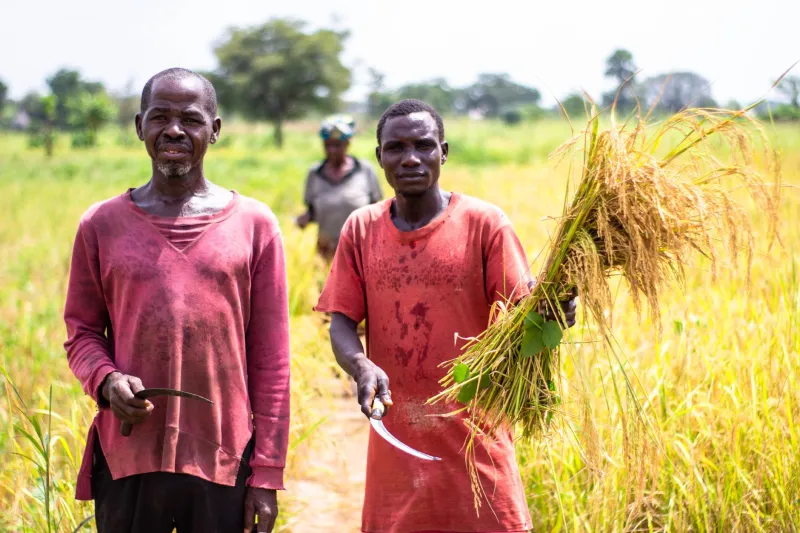
Benin is consistently ranked among the top cotton producers in sub-Saharan Africa and has, in recent years, competed with Mali and Burkina Faso for the top position on the continent. The country produced approximately 700,000 metric tons of seed cotton in the 2022–2023 season, a record that reflects both favorable weather and sustained government support for the sector.
The cotton value chain in Benin is organized around a parastatal framework. The Interprofessional Cotton Association of Benin (AIC) coordinates input distribution, producer pricing, and ginning operations. American companies looking to engage with the cotton sector will find the most natural entry points in three areas: agricultural input supply (fertilizers, certified seed, crop protection products), ginning technology and equipment, and downstream textile processing.
Joint ventures in ginning have attracted interest from several foreign investors in recent years, given that Benin currently exports the majority of its raw cotton rather than processing it domestically. American companies with textile manufacturing expertise or access to U.S. market distribution channels are well positioned to explore processing partnerships that could retain more value in-country while supplying American brands with traceable, sustainably sourced West African cotton.
Regulatory entry for joint ventures in cotton processing typically involves registration with the Agence de Promotion des Investissements et des Exportations (APIEx), Benin's investment promotion agency. APIEx offers a one-stop-shop service for foreign investors and can facilitate introductions to the AIC and relevant ministry contacts. American entrepreneurs are advised to engage APIEx early, as the agency's support can meaningfully accelerate the regulatory timeline.
Cashew: A High-Growth Sector Hungry for Downstream Investment
Cashew has emerged as one of Benin's most dynamic agricultural export sectors over the past decade. The country is now among the top ten raw cashew nut producers globally, with annual output exceeding 150,000 metric tons in strong harvest years. The majority of that production is exported raw to processing facilities in India and Vietnam — a value chain structure that Benin's government is actively working to change.
This is where American entrepreneurs find a compelling opportunity. Domestic cashew processing capacity in Benin remains well below the volume needed to handle national production. The government has implemented incentive structures, including tax holidays and reduced import duties on processing equipment, to attract investment in shelling, grading, and packaging facilities. American companies with food processing expertise, consumer brand relationships, or access to the growing U.S. market for specialty nuts are natural partners for this kind of venture.
Local cashew producers — many of them smallholder farmers organized into cooperatives — are generally receptive to partnership arrangements that offer stable pricing commitments in exchange for quality consistency and volume guarantees. American entrepreneurs who have worked with contract farming models in other markets will find the conceptual framework familiar, though local implementation requires careful attention to cooperative governance structures and the seasonal financing needs of smallholder producers.
One American food entrepreneur who established a cashew sourcing partnership in Benin's Atacora region described the experience this way: the quality of the raw nut is genuinely excellent, and the farmers are motivated partners — the challenge is building the trust and communication infrastructure that makes a supply agreement work across a significant geographic and cultural distance. That kind of candid assessment is useful context for entrepreneurs evaluating the sector.
Palm Oil: Navigating a Complex but Rewarding Value Chain
Palm oil is the third pillar of Benin's agricultural export economy, and it is also the most complex for American entrepreneurs to engage with, for reasons that are both commercial and reputational. The global palm oil industry has faced sustained scrutiny over deforestation and labor practices in Southeast Asian production centers. Benin's palm sector, concentrated in the southern departments of Mono, Couffo, and Atlantique, operates at a scale and in an ecological context that differs substantially from Indonesian or Malaysian production — but American companies will need a clear sustainability narrative to bring Beninese palm products to U.S. markets.
For entrepreneurs willing to do that work, the opportunity is real. Benin's traditional palm varieties — including the semi-wild oil palm groves known as palmeraies — produce oils with flavor profiles and nutritional characteristics that are generating interest among specialty food importers and natural cosmetics manufacturers in the United States. Small-batch, traceable, and sustainably certified Beninese palm oil has genuine market potential in the U.S. specialty and natural products segment.
Partnership structures in the palm sector typically involve working with village-level producer associations or with the handful of mid-scale processing mills that have begun investing in quality improvement. American entrepreneurs should budget for third-party sustainability certification costs as a standard line item in their business planning.
Land Access: What American Investors Need to Understand
Land access is the dimension of Beninese agricultural investment that most frequently surprises American entrepreneurs accustomed to straightforward property transactions. Benin operates a dual land tenure system in which formal statutory title coexists with customary land rights that are recognized and enforced at the community level. The 2013 Land Code (Code Foncier et Domanial) established a clearer framework for formalizing land rights, but implementation across rural areas remains uneven.
American investors are strongly advised against attempting to acquire large tracts of land without extensive local legal counsel and community engagement. The most successful foreign agricultural ventures in Benin have generally taken one of two approaches: long-term lease arrangements negotiated directly with communities and ratified through formal legal processes, or outreach farming models in which the American company provides inputs, technical assistance, and guaranteed offtake without taking ownership of land at all.
Engaging a Beninese legal professional with specific expertise in land and agricultural law is not a procedural formality — it is a foundational requirement for any investment that involves land. The Benin Phone Book directory includes listings for law firms and legal consultants with relevant specializations.
Export Logistics and the Path to U.S. Markets
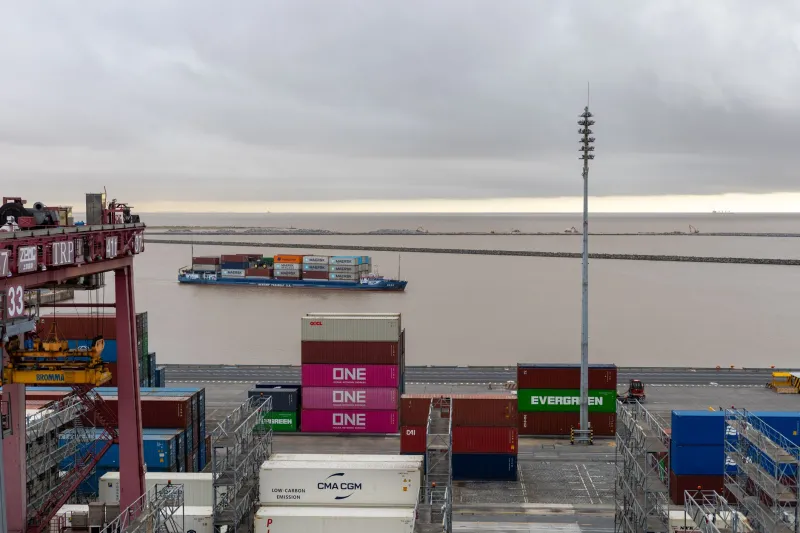
For American entrepreneurs planning to export Beninese agricultural products to the United States, the logistics chain begins at the farm and ends at a U.S. port of entry. The Port of Cotonou serves as the primary export gateway, and its facilities for agricultural commodities — including covered warehousing and, for processed products, limited cold chain capacity — are adequate for current export volumes.
U.S. import requirements for food products from Benin include FDA registration for food facilities, compliance with the Foreign Supplier Verification Program (FSVP), and, for organic products, USDA National Organic Program certification or an equivalent recognized standard. American entrepreneurs should work with a U.S.-based customs broker experienced in African agricultural imports to map out the full compliance pathway before finalizing a product and market strategy.
The opportunity in Benin's agricultural sector is genuine, but it rewards preparation, patience, and a willingness to invest in relationships before transactions. American entrepreneurs who approach the market with that orientation — and who use resources like the Benin Phone Book to build a reliable local contact network — are the ones most likely to find it worthwhile.