How to Find and Vet Reliable Distribution and Supply Chain Partners in Benin Before You Commit

For American companies looking to move goods into or through Benin, the distribution landscape presents a paradox: the country's most capable logistics partners and intermediaries are often its least visible ones on international platforms. While global supplier databases and freight marketplaces may return a handful of results for Benin-based operators, the businesses that actually move product reliably — the ones with established warehouse networks, customs relationships, and last-mile reach into interior markets — frequently operate below the radar of Western-facing directories.
Finding them requires a different approach. Vetting them requires discipline. And understanding the structure of Benin's supply chain ecosystem is the prerequisite for doing either effectively.
Understanding the Two-Tier Distribution Landscape
Benin's distribution sector operates across two distinct but often overlapping tiers. The first is the formal sector: registered companies with documented operations, commercial bank relationships, and the administrative infrastructure that American compliance teams expect to see. These firms are easier to verify, more likely to carry insurance, and better equipped to produce the paper trail that cross-border transactions require.
The second tier is the informal network — and dismissing it would be a mistake. Informal distributors in Benin often have deeper penetration into regional and rural markets than their formal counterparts. They operate on personal relationships, oral agreements, and reputational accountability within specific communities or trade corridors. For certain product categories, particularly fast-moving consumer goods and agricultural inputs, informal networks are not a workaround — they are the most efficient channel available.
The practical implication for American companies is that the right partner depends heavily on what you are trying to accomplish. A manufacturer seeking to place goods in Cotonou's commercial district has different needs than one targeting distribution into northern Benin or across the border into Niger. Clarifying your distribution geography before beginning your search will narrow the field considerably.
Where to Begin Your Search
Given the limitations of international supplier platforms, American companies should approach their partner search through multiple parallel channels.
Local business directories and registries are a logical starting point. Resources like Benin Phone Book provide structured, locally maintained contact information for businesses operating across sectors in Benin, including logistics, warehousing, and wholesale distribution. These directories offer a degree of local curation that generic international databases lack.
Trade and industry associations are another productive avenue. The Chamber of Commerce and Industry of Benin (CCIB) maintains member registries and can facilitate introductions to vetted operators in specific sectors. Similarly, sector-specific associations — in agriculture, pharmaceuticals, construction materials, and consumer goods — often maintain informal referral networks that are accessible to serious foreign inquiries.
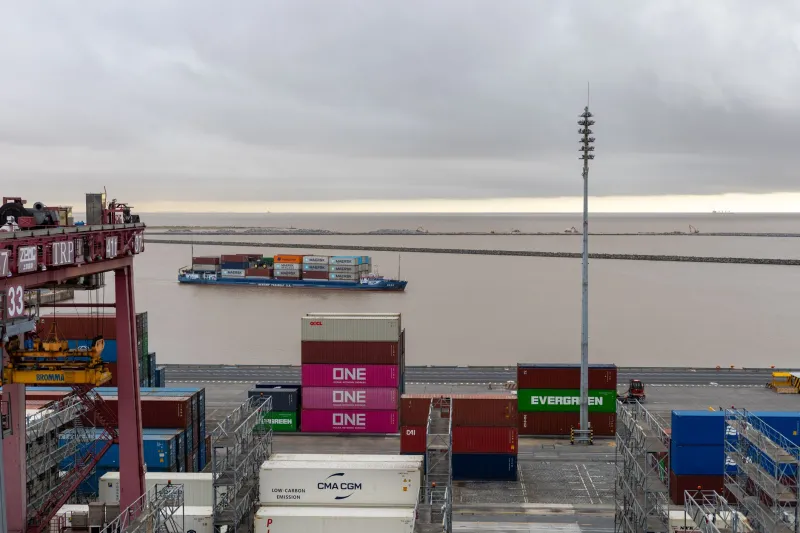
The Port of Cotonou ecosystem is worth exploring directly. Benin's principal port is the economic engine of the country's logistics sector, and the freight forwarders, customs brokers, and clearing agents who work within it represent a concentrated node of supply chain expertise. Building relationships with a reputable customs broker at the port can open doors to distribution contacts that would otherwise take months to identify independently.
U.S. Commercial Service offices — particularly the one in Lagos, which covers the broader West Africa region — can provide market intelligence and, in some cases, referrals to pre-screened local partners. This resource is underused by American small and mid-sized businesses and is worth engaging early in the process.
Red Flags That Should Give You Pause
The vetting process in Benin requires attention to a specific set of warning signs that differ somewhat from those relevant in more heavily regulated markets.
Be cautious of distributors who are unable or unwilling to provide references from other foreign clients. A legitimate operator with meaningful experience handling cross-border relationships will have a history of working with international partners and should be able to point you toward at least two or three who can speak to their reliability.
Exercise skepticism toward any intermediary who requests unusually large upfront payments before demonstrating operational capacity. Advance payment demands are not inherently disqualifying — they are common in markets with limited trade credit infrastructure — but the amount requested should be proportionate to the scope of the engagement, and payment should be structured in stages tied to performance milestones.
Inconsistencies in business registration documentation are another concern. Benin's Centre de Formalités des Entreprises (CFE) maintains registration records for formal businesses. Any distributor claiming formal status should be able to provide a valid RCCM (Registre du Commerce et du Crédit Mobilier) number, which can be cross-referenced with official records.
Finally, be wary of distributors whose operational claims outpace their visible infrastructure. A company presenting itself as a national distributor with regional reach should be able to demonstrate warehousing facilities, a vehicle fleet or established carrier relationships, and a staff of sufficient size to manage the volume they are proposing.
Verification Methods That Actually Work
Beyond document review, on-the-ground verification remains the most reliable vetting tool available in Benin's market context. If your company is making a meaningful financial commitment to a distribution partnership, an in-person site visit — to the prospective partner's warehouse, offices, and operational facilities — is worth the cost of the trip.
Local legal counsel is also an important verification layer. A Beninese attorney with commercial law experience can conduct background checks, review contractual terms under local law, and flag structural concerns that a foreign legal team might miss. This is not an optional expense for partnerships involving significant inventory or capital exposure.
Reference checks should go beyond the names a prospective partner offers voluntarily. Ask for references, but also make independent inquiries through your network — through the chamber of commerce, through port contacts, through other foreign companies operating in Benin — to gather unsolicited assessments of the partner's reputation.
Structuring the Partnership for Durability
Once a reliable partner is identified and vetted, the structure of the commercial relationship matters as much as the selection process. Distribution agreements in Benin should be drafted in both English and French, specify territory and exclusivity terms precisely, and include clear provisions for performance benchmarks, dispute resolution, and exit conditions.
Building in regular performance reviews — quarterly at minimum — and maintaining active communication with your local partner will help surface problems before they become costly. The best distribution relationships in this market are not transactional; they are ongoing, managed partnerships that require consistent investment from both sides.
For American companies willing to do the work, Benin's supply chain ecosystem offers genuine competitive advantages: strategic port access, a growing domestic consumer base, and regional connectivity into landlocked markets that are difficult to reach any other way. The path to those advantages runs directly through the quality of the local partners you choose.